Introduction
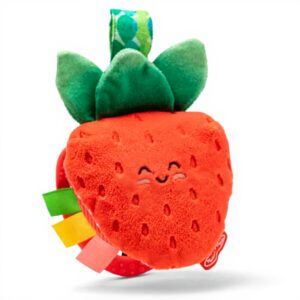
I remember sitting in my living room during those early months of parenthood, watching my baby’s eyes wander around the room, and wondering what was going through that tiny, developing mind. Like many parents, I found myself researching ways to support my child’s growth while managing the overwhelming amount of parenting advice available online. It was during one of these research sessions that I came across discussions about sensory development and the importance of providing varied stimuli for infants. The concept of sensory toys wasn’t new to me, but understanding their specific role in early development became something of a personal mission. This journey led me to discover various tools designed to spport infant development, including the Melissa & Doug Kuckuckspielzeug, which I initially learned about while looking into different approaches to baby stimulation.
Real-life Context
Our days followed a rhythm familiar to many new parents – feeding times, diaper changes, and attempts to establish some semblance of routine amidst the beautiful chaos. I quickly realized that my baby’s awake periods were precious opportunities for engagement, but I often struggled to find activities that held her attention while also supporting her development. We spent considerable time on walks with the stroller, car rides to various appointments, and moments at home where I wanted to provide meaningful interaction without overwhelming her developing senses. The challenge was finding something that could adapt to these different environments while offering consistent developmental benefits. I noticed how she responded to different textures and sounds, her small hands reaching out to explore anything within grasp, her eyes tracking movement and light with intense concentration. These observations made me more intentional about the objects I introduced into her environment, considering not just entertainment value but developmental appropriateness.
Observation
What struck me most was how different sensory elements captured my baby’s attention in distinct ways. The crinkling sound of certain materials would make her pause and listen intently, while textured surfaces prompted her to explore with her fingers and mouth. I noticed how she would return to certain objects repeatedly, as if each interaction revealed something new about the world around her. During stroller rides, having something securely attached within her line of sight seemed to transform what might have been fussy moments into engaged exploration. The way her focus would shift from visual elements to tactile exploration to auditory discovery demonstrated the complexity of early sensory integration. I began to appreciate how these seemingly simple interactions were building neural pathways and helping her make sense of her environment. The integration of multiple sensory modalities in a single toy appeared to support this natural curiosity without overstimulating her developing nervous system.
Reflection
I didn’t realize at the time that these early sensory experiences were laying foundations for more complex learning down the road. Watching my baby engage with different textures and elements made me reflect on how much development happens in those first twelve months, often in ways we can’t immediately see. The careful design of developmental toys – considering everything from size and weight to material safety and sensory variety – represents a deeper understanding of infant needs than I initially appreciated. I found myself thinking about how these early experiences shape a child’s relationship with learning and exploration. The simplicity of the interactions belied their importance: each time my baby reached for a textured surface or responded to a crinkling sound, she wasn’t just playing – she was building cognitive connections. This understanding transformed how I viewed our daily interactions and the objects I chose to incorporate into her environment.
Conclusion
Looking back on those early months, I’ve come to appreciate the thoughtful design that goes into supporting infant development through play. The integration of multiple sensory elements in a single, portable format addresses very real needs in a parent’s daily life while serving the deeper purpose of supporting a baby’s growth. What might appear as simple entertainment actually represents carefully considered developmental support, with each element serving a specific purpose in the complex process of early learning. The journey of understanding my child’s development continues, but those initial months taught me to look more deeply at the tools we use and the experiences we create for our children. The subtle ways in which well-designed toys support natural development have given me a greater appreciation for the intersection of play and learning, and how much happens in those precious first months of life.
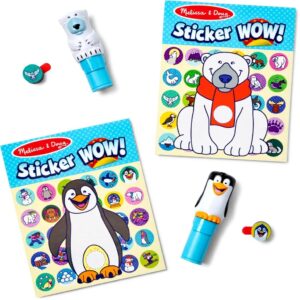 Melissa & Doug Sticker Wow Winter Eisbär Pinguin
 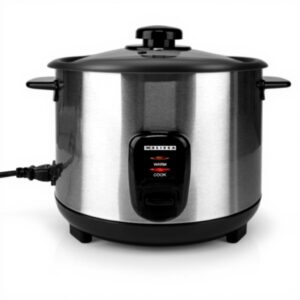 Reiskocher Melissa 1,5 L Edelstahl Antihaft Dämpfkorb